
The Discussion Meeting on the Draft BRICS Group Standards for Skills, Curriculum and Competition in Responsive Care for Infants Aged 0–1 Was Successfully Held
- Date:
2026/10/30 9:47:21 - Author:BRICS Standardization Working Committee for Skills and Technology
- Visits: 2268
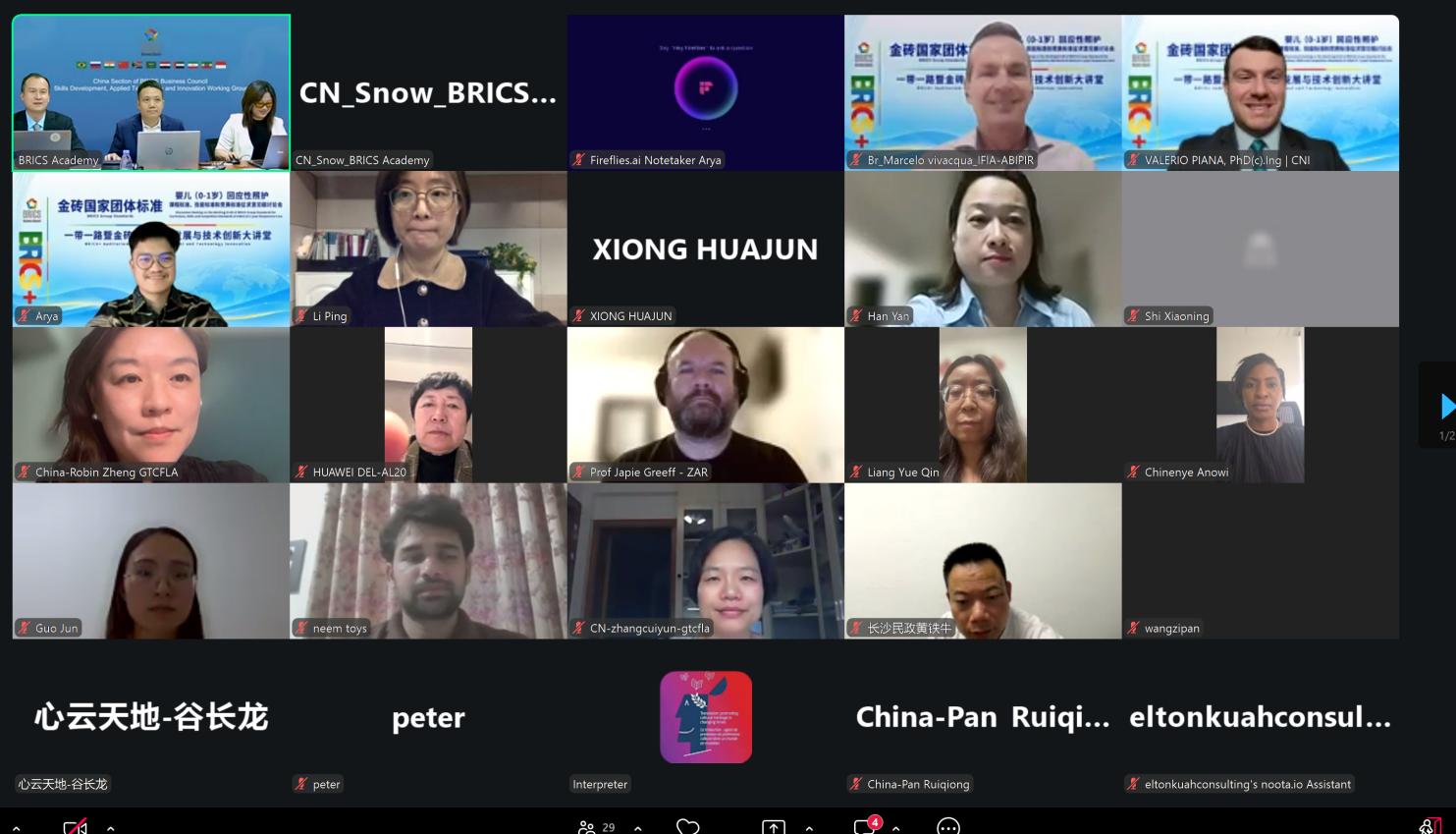
Group photo of the standards meeting
On October 16, a discussion meeting was held on the draft curriculum, skills, and competition standards for the BRICS Group Standard on the Infant (0–1 Year) Responsive Care. 40 experts and representatives of relevant organizations from China, Brazil, India, South Africa, Indonesia, Malaysia, Egypt, Ethiopia, Myanmar, and other countries participated online. They exchanged views on the draft standards for skills, competition, and curriculum, offering suggestions to further improve their content and enhance their scientific rigor and applicability.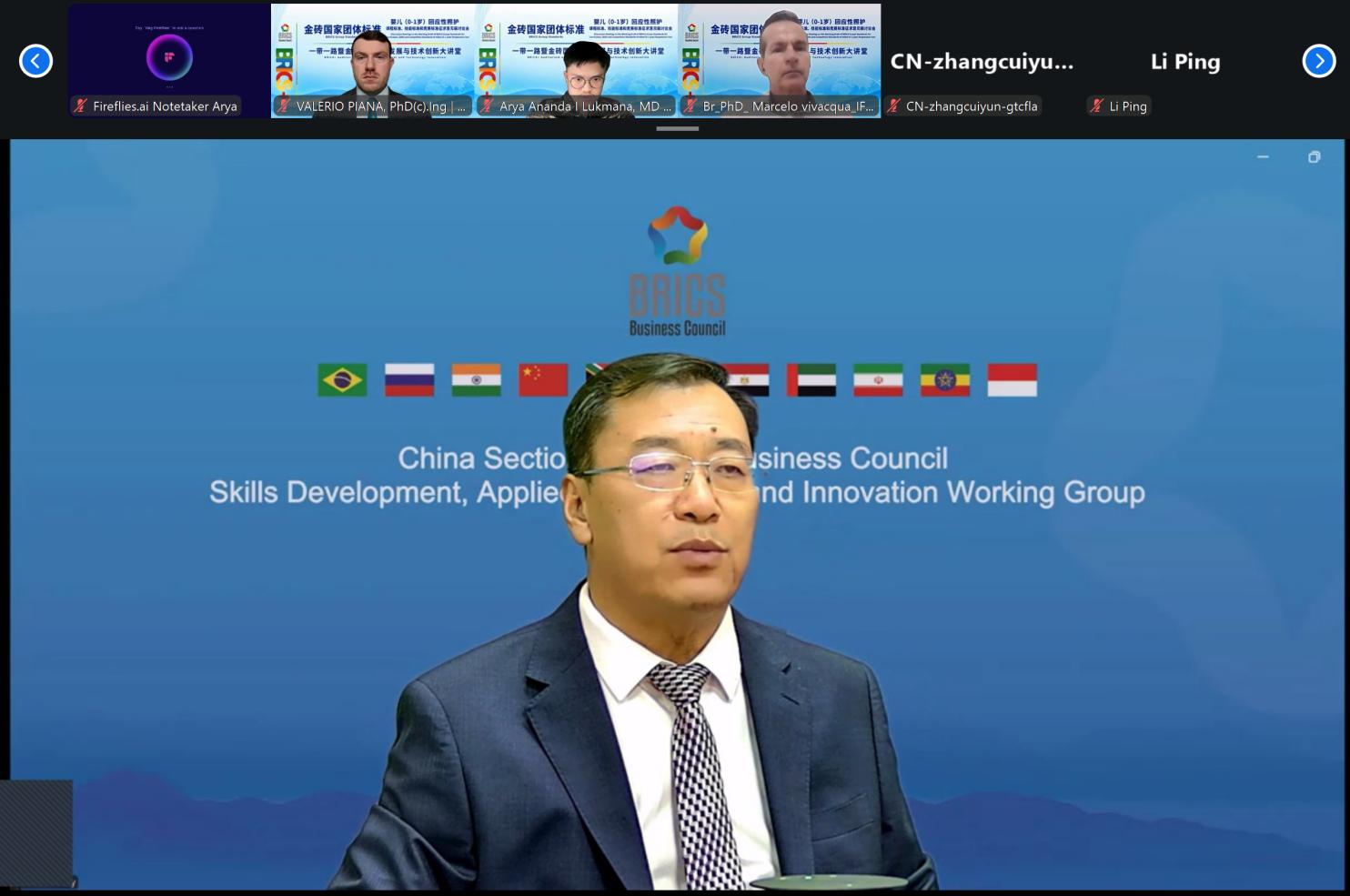
Dr. Liu Zhenying delivers opening remarks
Dr. Liu Zhenying, Chair of China Chapter of BRICS Business Council Skills Development, Applied Technology and Innovation Working Group, Chair of the BRICS Standardization Working Committee for Skills and Technology, and President of the International Alliance of Skills Development for Belt & Road and BRICS, delivered the welcome address. He noted that developing standards for infant (0–1 year) responsive care represents an important step in extending BRICS skills standardization cooperation into health care and public services. He expressed the hope that more experts, educational institutions, and industry organizations from BRICS countries and partner countries would participate, helping generate high-quality cooperation outcomes in areas such as infant and young-child care, elderly care, medical technology, and smart nursing, and enabling standards to serve as a bridge connecting education, skills, and industry while promoting international exchange and cooperation.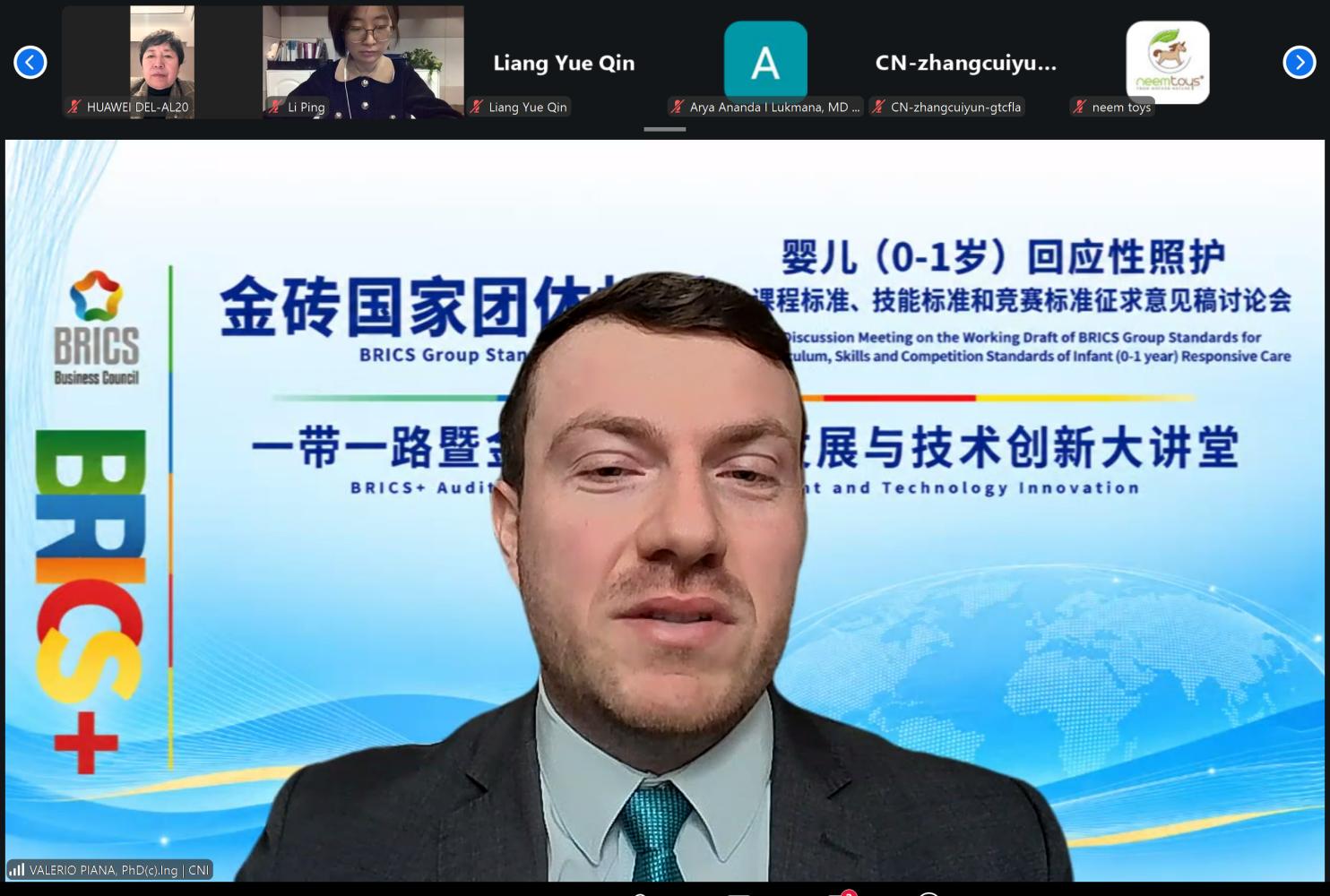
Valerio Junior Piana delivers remarks
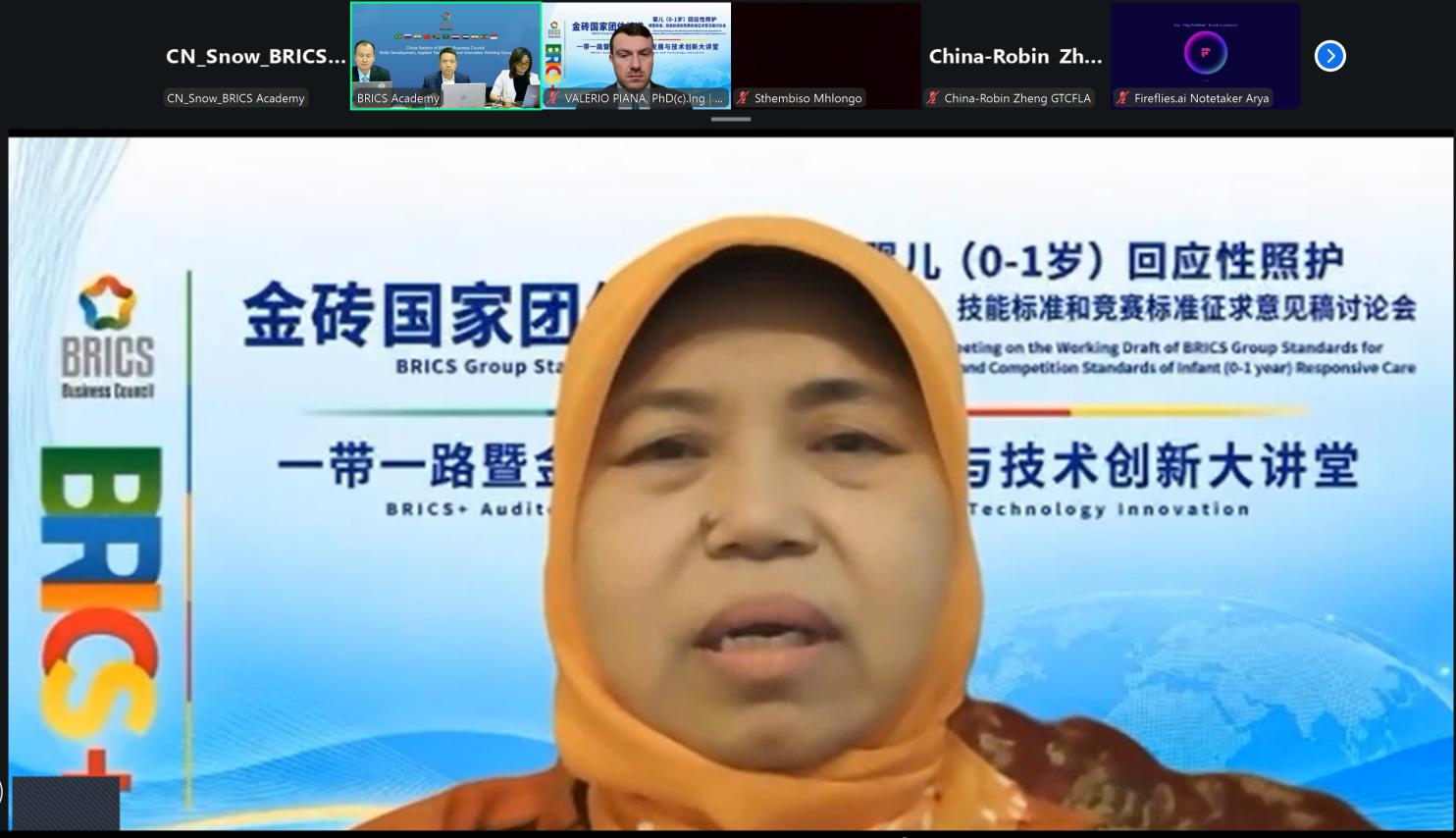
Ms. Tri Mumpuni Iskandar delivers remarks
Valerio Junior Piana, representative of the Brazil Chapter of the BRICS Business Council Skills Development, Applied Technology and Innovation Working Group and researcher at Brazil’s National Service for Industrial Training (SENAI), and Ms. Tri Mumpuni Iskandar, Head of the Indonesia Chapter of the Working Group and Chair of the People’s Business and Economic Democracy Foundation (BEKA), attended the meeting and delivered remarks. The speakers recognized the importance of BRICS standards cooperation in infant responsive care and expressed their hope that international exchange and collaboration would advance skills development and standards in this field, support relevant talent development and care services, and further strengthen cooperation among BRICS countries and partner countries in health care.Bai Li, Secretary-General of the Medical and Health Professional Committee of the International Alliance of Skills Development for Belt & Road and BRICS, then delivered remarks. Li Ping, a project representative from Beijing Xinyun Tiandi Technology Co., Ltd., presented the background to the standards development, the progress made, and the structure of the standards modules.
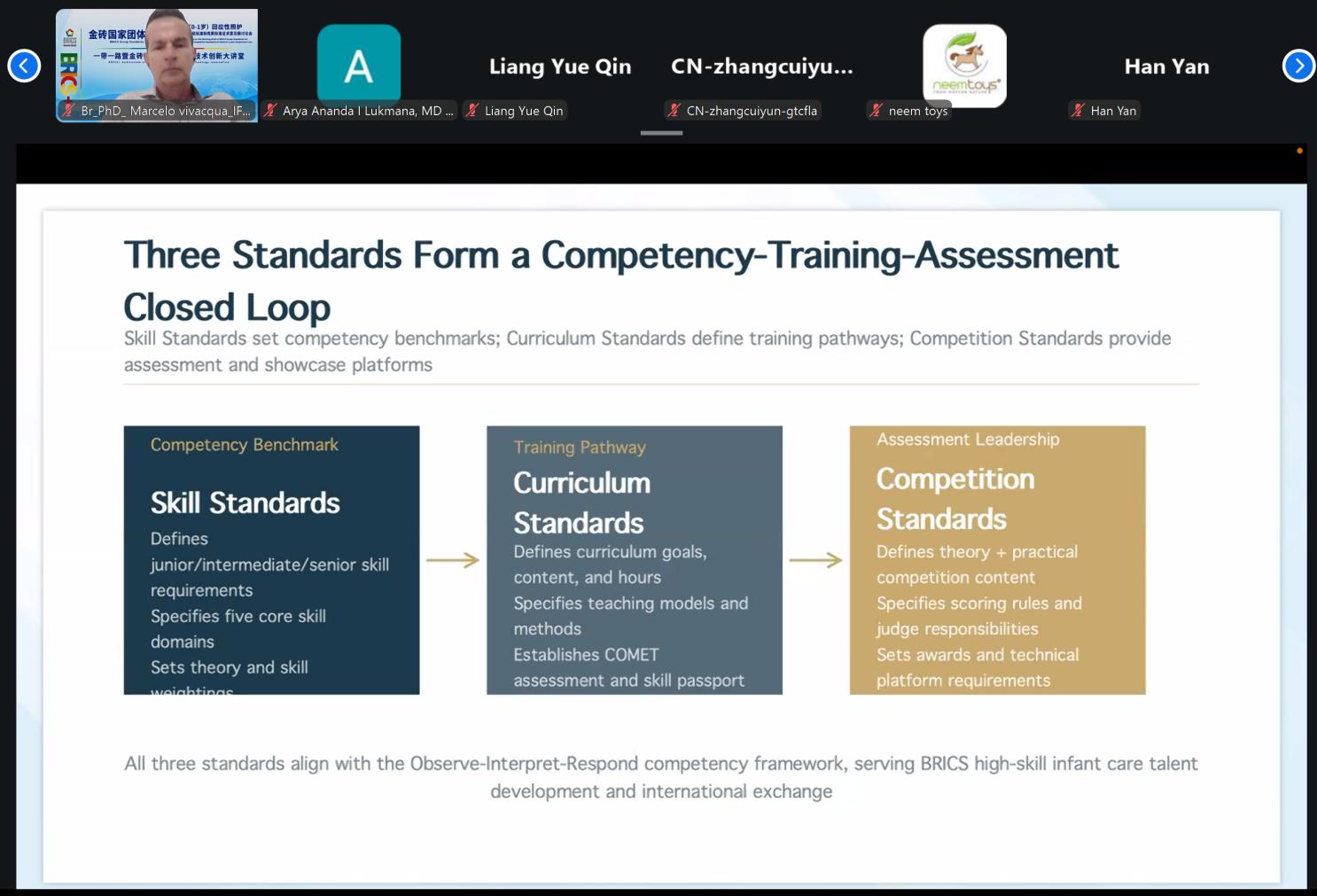
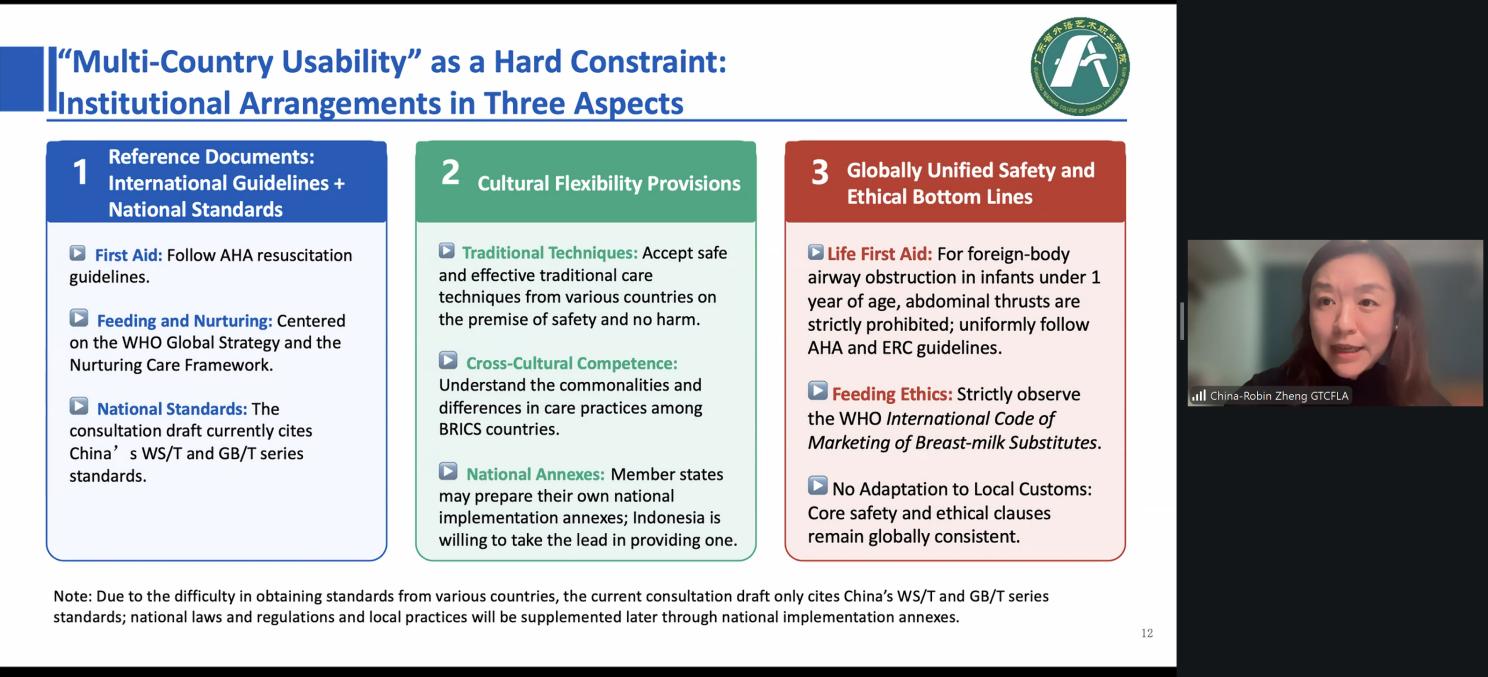
Chinese experts deliver presentations (selected photos)
During the keynote presentations, Xiong Huajun, Dean of the School of Basic Education at Guangdong Polytechnic Normal University; Han Yan, Dean of the School of Preschool Education at Hubei Preschool Education College; Guo Jun, program lead for preschool education at Hubei Preschool Education College; Zheng Na, Associate Dean of the School of Preschool Education at Guangdong Polytechnic of Foreign Languages and Arts; and Zhang Cuiyun, a teacher at the same school, explained proposed revisions to the skills, competition, and curriculum standards. They also addressed and clarified the expert comments collected in advance, laying the groundwork for further discussion and revision.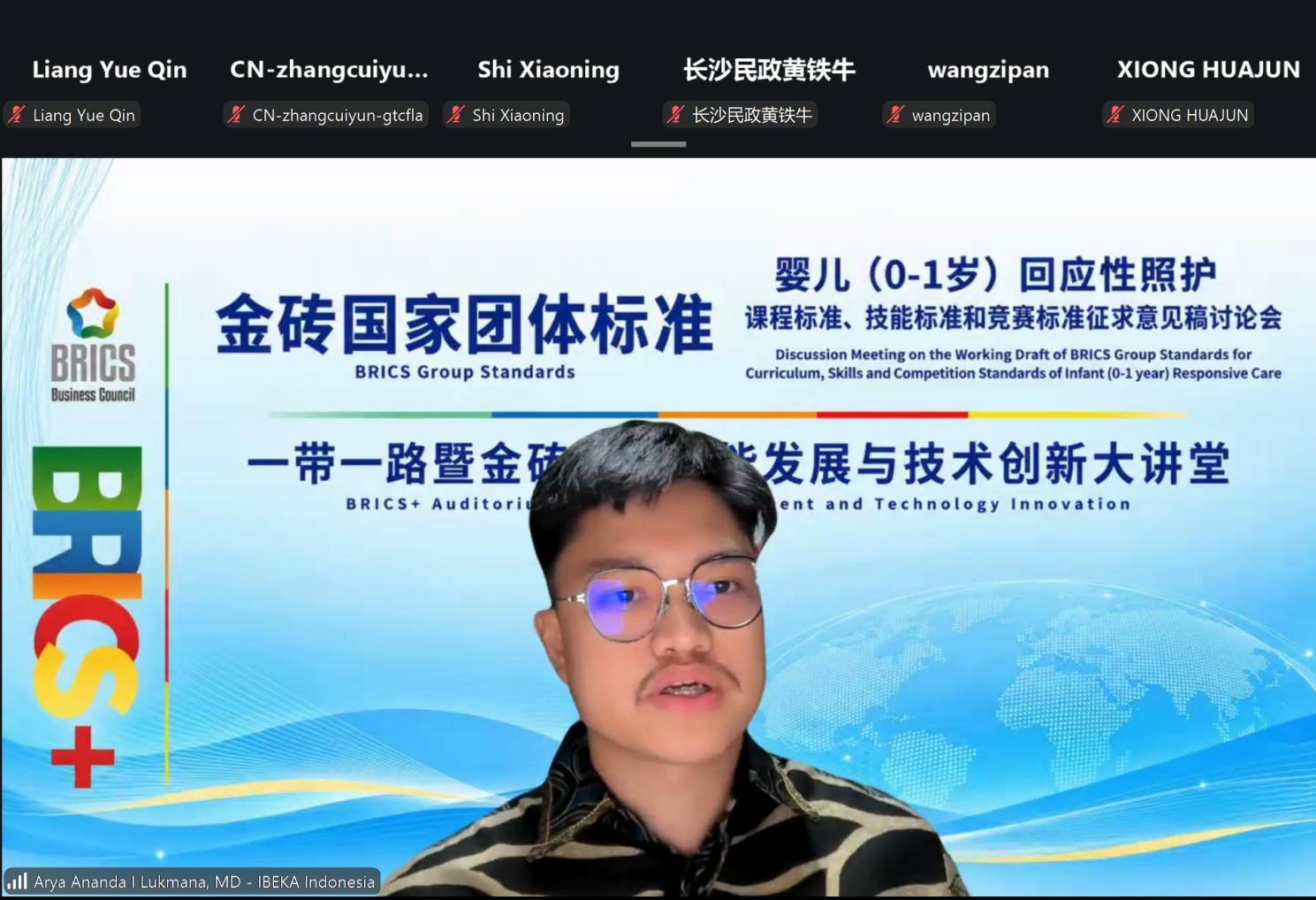
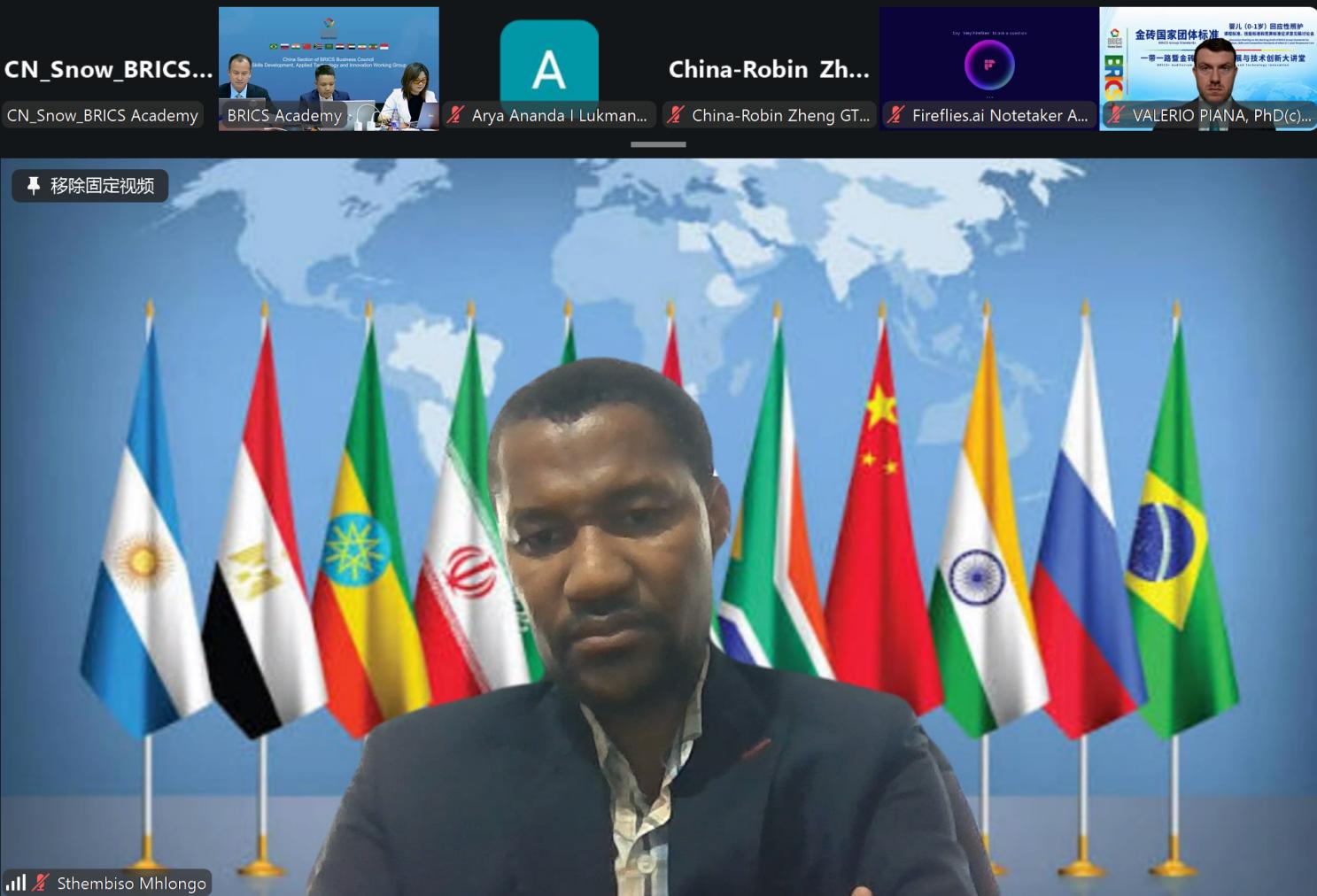
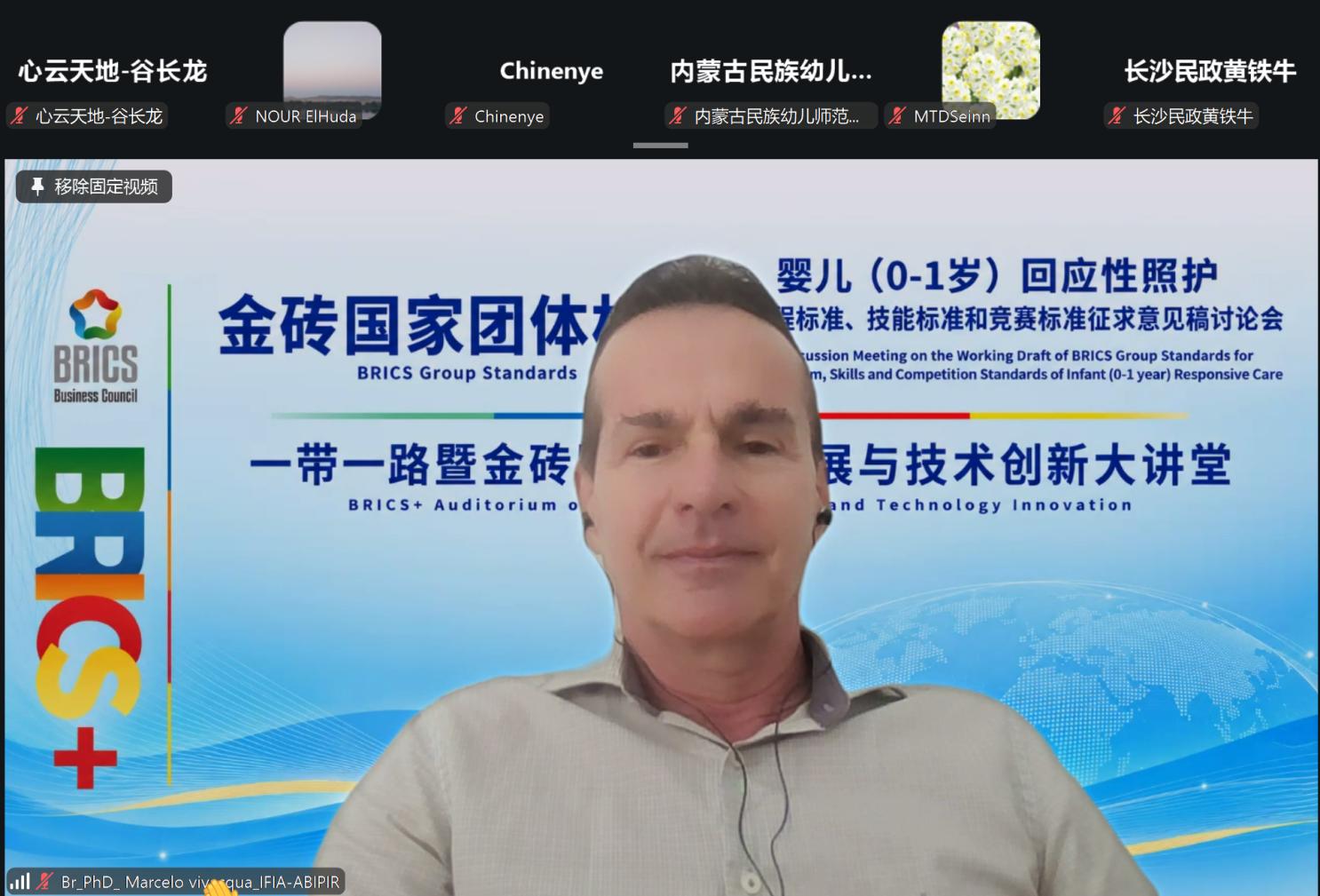
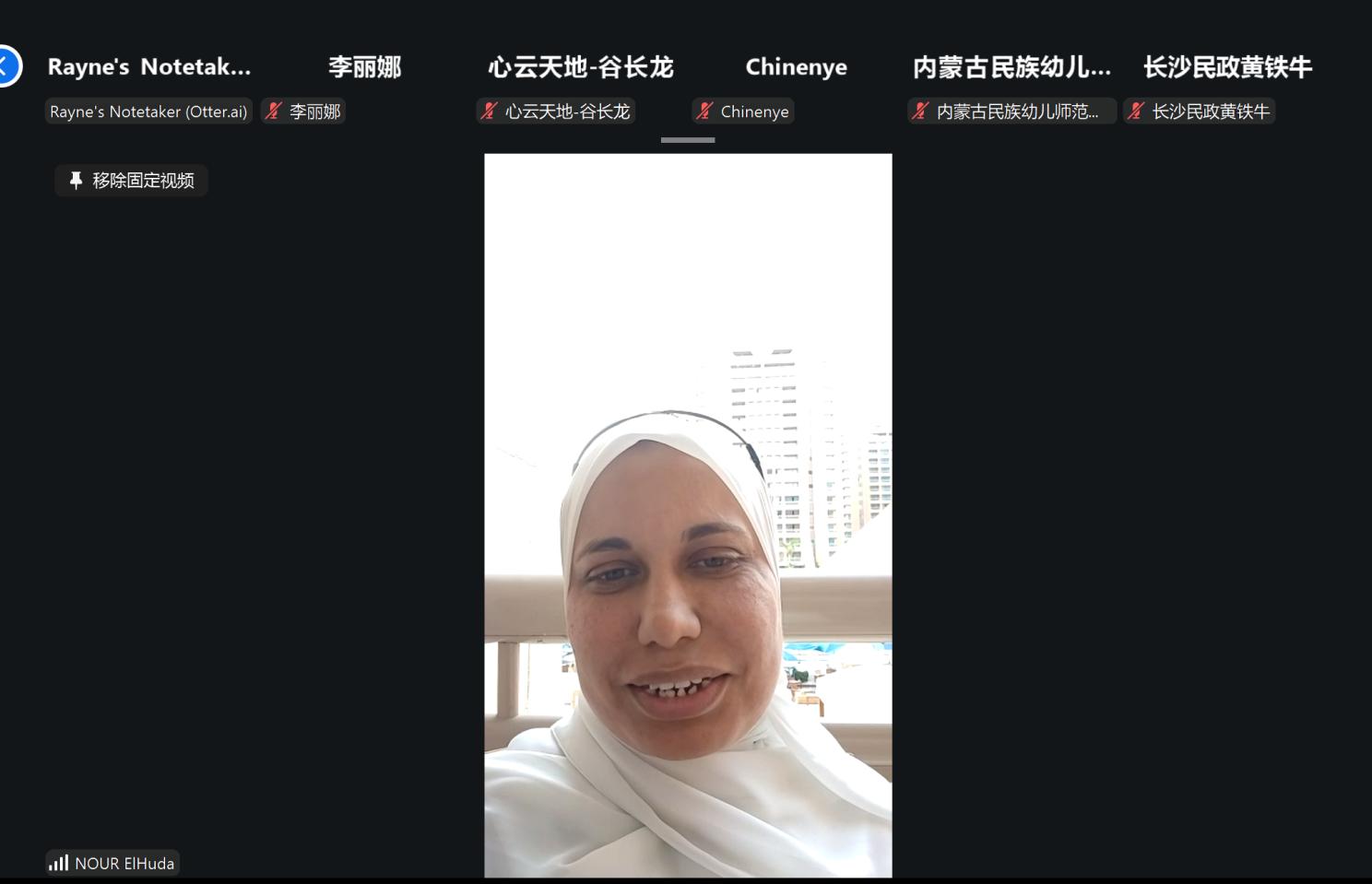
International experts share their views (selected photos)
During the international expert discussion, participants included Jacob Jacobus Greeff, South African representative to the BRICS Standardization Working Committee for Skills and Technology and Associate Professor at Belgium Campus iTversity; Sthembiso Mhlongo, Executive Director of Through Music Foundation, South Africa; Dr. Arya Ananda Indrajaya Lukmana, public health researcher at the IBEKA Foundation, Indonesia; Professor Marcelo Vivacqua, head of the Latin America Office of the International Federation of Inventors’ Associations (IFIA) and Director of the Brazil-China Cooperation Hub; Dr. Elton Kuah, consultant to Universiti Tunku Abdul Rahman (UTAR), Malaysia; P. Selva Sundar Raijan, head of AADITHYA Training and Consultants, India; Erika Kushikawa Saeki, researcher at the Adolfo Lutz Institute, Brazil; Dr. Nour ElHuda Hassan Mansour, lecturer in radiology at Galala University, Egypt; Myat Thida Seinn, neonatology consultant at Yangon Children’s Hospital, Myanmar; and Nomahlubi Khwinana, Commissioner at the South African Human Rights Commission. Drawing on their professional expertise and experience in their respective countries, the experts offered comments and suggestions on the standards’ content, practical application, and further improvement. Their participation brought diverse perspectives to the revision process and helped strengthen the standards’ international applicability and practical value.At the conclusion of the meeting, Wu Jianfeng, a member of the BRICS Standardization Working Committee for Skills and Technology, outlined the next steps in the standards development process. Participants will maintain communication and cooperation, fully consider the experts’ feedback, and further refine the draft standards in preparation for subsequent review and publication.
The meeting marked an important step in advancing standards development and international cooperation in infant responsive care among BRICS countries. Going forward, the BRICS Academy will continue to leverage its role as a platform for international cooperation and standardization, promote deeper exchanges and collaboration among BRICS countries in skills standards, curriculum development, and talent cultivation, and support vocational education and skills development in related fields.
 闽公网安备 355885854552266号